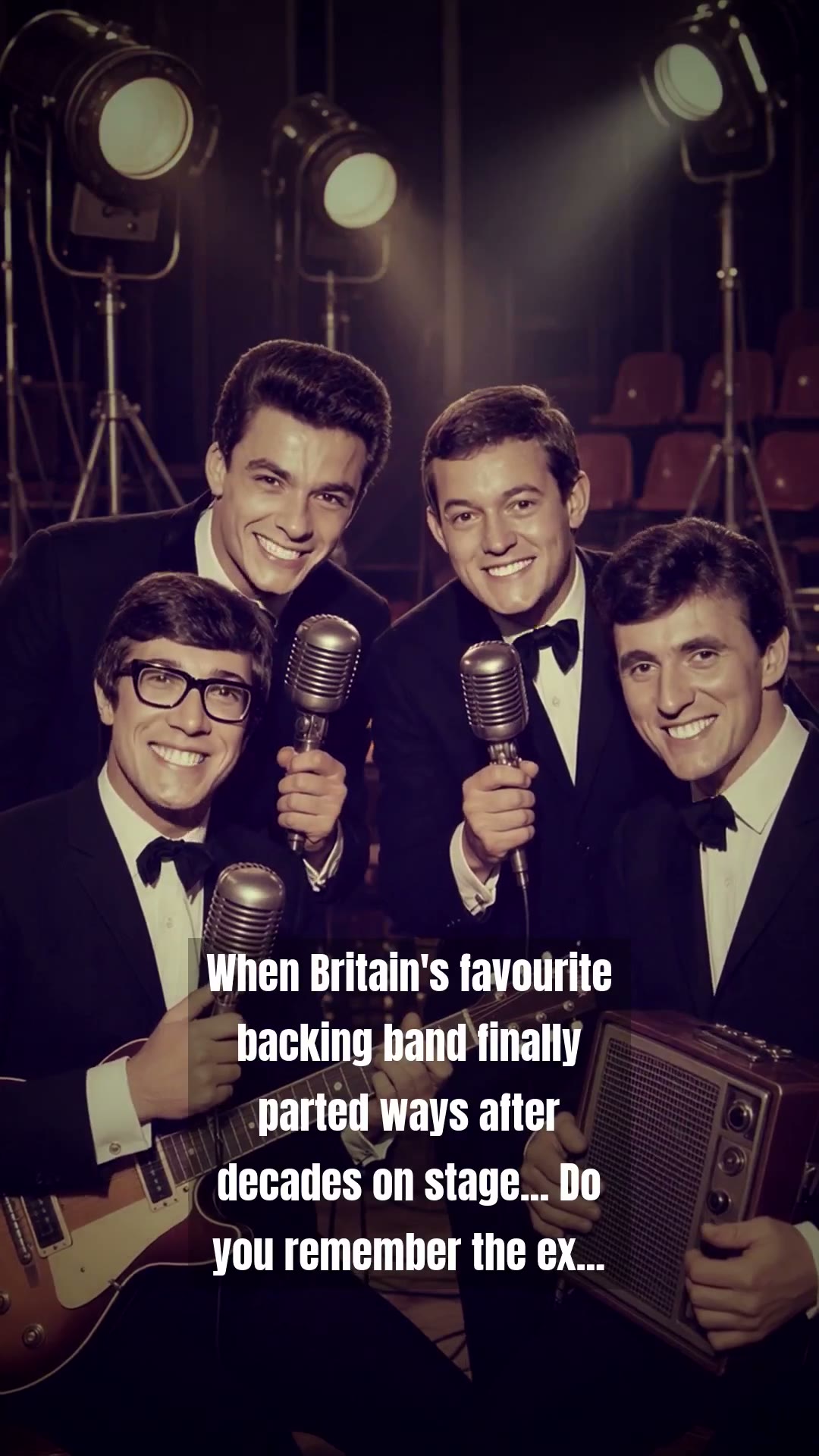
It was the sound that defined a decade, a crisp, clean guitar twang that echoed through every living room in Britain. Long before the stadium anthems of the eighties, there was the hypnotic chime of Hank Marvin’s Fender Stratocaster. For a generation who grew up glued to the telly watching Top of the Pops, The Shadows were not merely a backing band for Cliff Richard; they were the architects of the British sound. Yet, every great story eventually reaches its final curtain, and for many, the moment The Shadows parted ways with their long-time frontman felt like the quiet, sorrowful end of an era that we can never quite recapture.
The history of The Shadows is a tale of unparalleled discipline and accidental cool. In an age of pomade and sharply pressed suits, these men brought a sense of professionalism that was rarely seen in the rowdy early days of rock and roll. While other bands were smashing up hotel rooms, The Shadows were perfecting their iconic stage walk, a synchronised movement that became as much a part of their identity as their music. They were our favourite secret, a group of quiet men from the suburbs who somehow managed to change the colour of the musical landscape without ever needing to shout about it.
Yet, even the most enduring partnerships eventually face the pressures of the limelight. By the time they decided to step away from the relentless cycle of tours and sessions with Cliff, the musical world had shifted under their feet. The raw, messy energy of the late seventies was creeping in, and perhaps they realised that the magic they had cultivated was beginning to feel like a relic of a gentler time. When the news finally broke that they would be pursuing separate paths, it felt like the closing of a door on a house that had held all our childhood memories. It was not a explosive split, but a lingering silence that spoke volumes.
Looking back, it is easy to romanticise those hazy days of transistor radios and black-and-white broadcasts. The impact of The Shadows on British music is often understated, yet their influence on every guitarist who picked up a plectrum in the sixties is impossible to ignore. They taught us how to hold a melody, how to let the notes breathe, and how to carry oneself with a certain understated dignity. Their work was the soundtrack to a post-war Britain finding its feet, a time when life seemed a little less complicated and the future felt full of infinite possibility.
Even today, if you close your eyes and listen to the opening bars of Apache or Wonderful Land, you are instantly transported back to a simpler existence. Whether you caught them at a local gig or followed their chart dominance from your front room, the legacy of The Shadows remains etched into our collective consciousness. They may have stepped out of the spotlight years ago, but their music continues to resonate in the hearts of those who remember when Britain was still learning how to rock and roll.