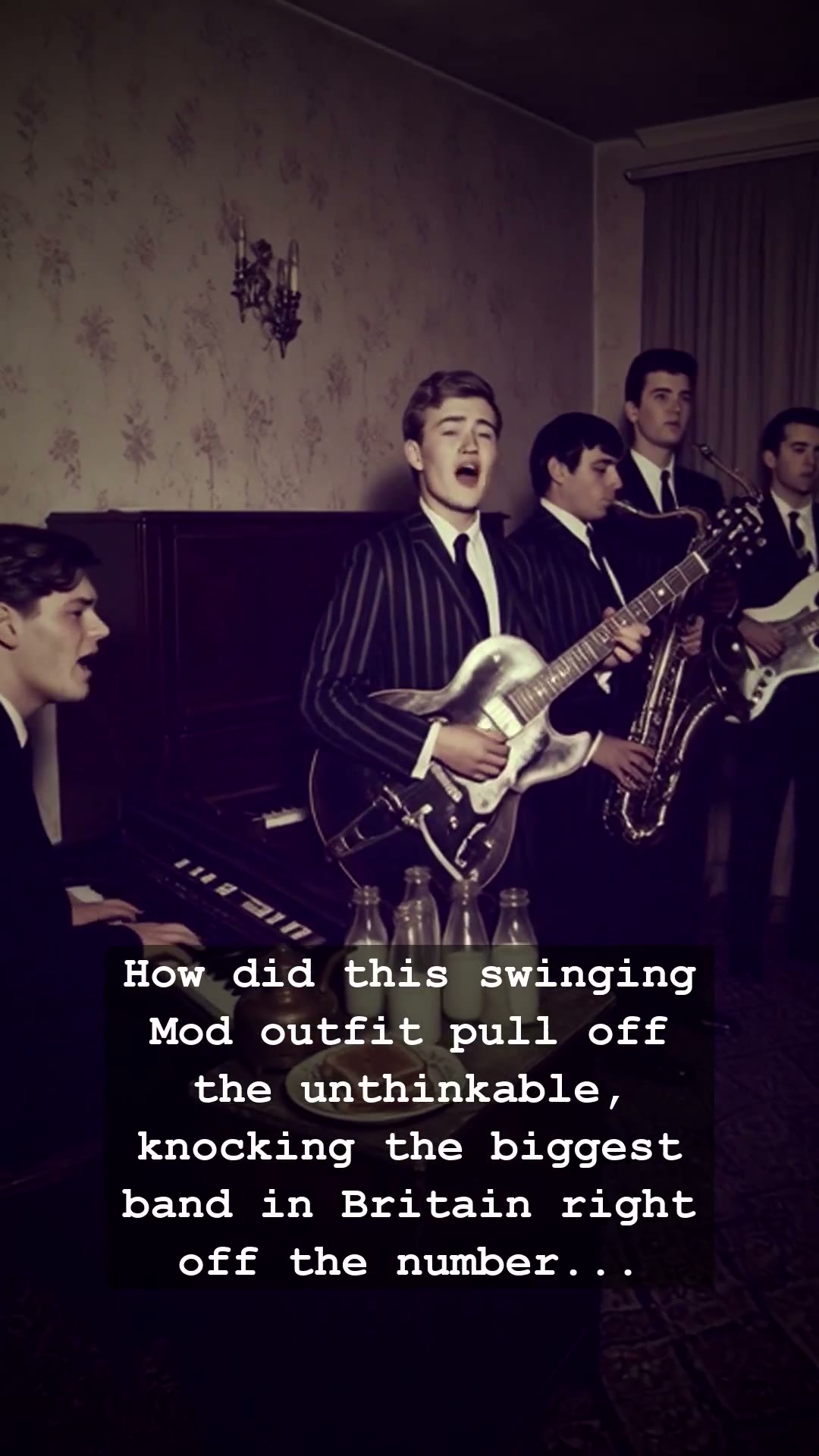
It was the spring of 1965, and the British charts felt like a fortress guarded by the Fab Four. The Beatles were, quite simply, untouchable. Their reign over the number one spot seemed written in stone, a permanent fixture of our daily lives flickering across the telly screens and humming through every transistor radio. Then, almost out of thin air, a slick, swinging outfit from the heart of the London scene pulled off the unthinkable. Georgie Fame and the Blue Flames didn’t just climb the charts; they gatecrashed the party with a Hammond organ riff that sounded like pure, unfiltered electricity. When Yeh, Yeh hit the top spot, it sent a shockwave through the industry, proving that the Mod movement was far more than just sharp suits and scooters.
To understand the significance of this moment, one has to realise how much of a stranglehold the Merseybeat sound had on the nation. We were all living in a Beatle-mania fever dream, yet down in the smoky, dimly-lit clubs of Soho, a different rhythm was brewing. Georgie Fame and the Blue Flames were the absolute kings of the Flamingo Club. They weren’t singing about holding hands; they were injecting a dose of authentic rhythm and blues into the veins of a generation desperate for something with a bit more grit and colour. Their sound was a sophisticated blend of jazz, soul, and R&B, a stark departure from the pop melodies that dominated the BBC Radio 1 playlists of the era.
Georgie Fame possessed a natural charisma that was magnetic. Watching him live was a lesson in cool—he sat at that Hammond organ with a nonchalant ease that made the most complex jazz chords look like child’s play. The Blue Flames were his perfect foils, a tight-knit group of musicians who treated every gig like it was their last. When they recorded Yeh, Yeh, it wasn’t supposed to be a chart-topper; it was a track for the dancers, the mods who spent their weekends sweating under the strobe lights of the hottest venues in London. The fact that it resonated with the wider public enough to displace The Beatles is a testament to the song’s infectious, undeniable groove.
History often highlights the giants, but the story of Georgie Fame and the Blue Flames remains a favourite chapter for those of us who remember the true diversity of the sixties. It was a time when the lines between genres were beautifully blurred. You could hear a heavy soul influence one minute and a frantic ska beat the next. This victory wasn’t just about a single song; it was a signal that the British public had an ear for something sophisticated and truly musical. The music press, specifically the NME, took note, and suddenly, the establishment realised the mod sound had moved from the basement to the mainstream.
Decades later, that Hammond organ hook still packs a punch. It brings back memories of the sharpest mohair suits, the smell of cigarette smoke in crowded basements, and the feeling that anything could happen on a Saturday night. Georgie Fame and the Blue Flames remind us that the biggest dramas in music aren’t always about feuding legends or stadium tours; sometimes, they are about a band of brothers from the London club scene who simply refused to be ignored. Next time you drop the needle on that record, close your eyes and you might just catch the magic of 1965 all over again.