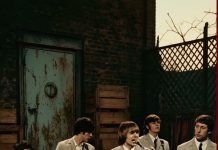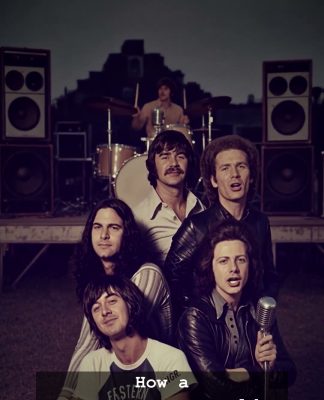
It was 1962, and the airwaves across the United Kingdom were buzzing with the sound of a rumbling, melodic bassline that changed the face of pop music forever. To the teenagers glued to their wireless sets or crowded around the telly for a glimpse of the latest chart-toppers, The Shadows were the undisputed kings of the instrumental sound. At the heart of that iconic, deep-toned thunder stood Jet Harris. With his moody, handsome charisma and that signature low-end twang, he was the favourite pin-up of the era. Yet, at the very peak of his powers, he walked away from Britain’s biggest band, leaving the nation in a state of utter disbelief. It was the kind of departure that didn’t just rattle the industry; it broke the hearts of a generation.
To understand the magnitude of his exit, you have to realise just how massive The Shadows were in the early sixties. They weren’t just a backing band for Cliff Richard; they were the architects of the British guitar sound. Jet Harris didn’t just play the bass; he gave it a voice. His Fender Precision Bass, thumping out those rhythmic, pulsating lines, provided the essential colour to tracks like Apache and Wonderful Land. But behind the glitz of the stage lights, the relentless grind of touring and the pressure of fame began to take a toll. The glamour was fading for Jet, and the internal friction within the group, coupled with his own restless ambition, reached a tipping point that eventually forced his hand.
When news broke that Jet Harris had officially parted ways with the band, the NME and the tabloids had a field day. Rumours flew faster than a train to Brighton. Some whispered about personal demons, others about a burning desire to forge a solo path in a landscape that was rapidly changing as the beat groups began to rise. He didn’t just fade into the background, though. His solo career initially promised the world, with hits like Diamonds proving that he still had the magic touch. But, as is often the case with the meteoric rise of mid-century rock stars, the path forward was far from smooth, and the industry’s fickle nature soon became apparent.
Looking back now, it is clear that Jet Harris was more than just a sideman; he was a pioneer who elevated the status of the bass player from a background fixture to a front-and-centre hero. He brought a sense of drama and cool that influenced countless bassists who would go on to shape the British Invasion. Even today, if you listen closely to those vintage records, you can hear the soul he poured into every note. It is a haunting, evocative sound that transports you straight back to a smokey club in Soho or a rainy afternoon in a suburban record shop.
We often romanticise the sixties as a golden age of limitless possibilities, but the story of Jet Harris reminds us that for the stars of that time, the price of glory was often personal peace. Whether he was misunderstood by the press or simply a man searching for a different life, his legacy remains untarnished. He left a hole in the fabric of British music that was never quite filled in the same way. Next time you find yourself spinning an old vinyl record, turn the volume up, close your eyes, and listen for that rumbling bass. That is the ghost of a legend, a man who dared to walk away, still echoing through the decades.