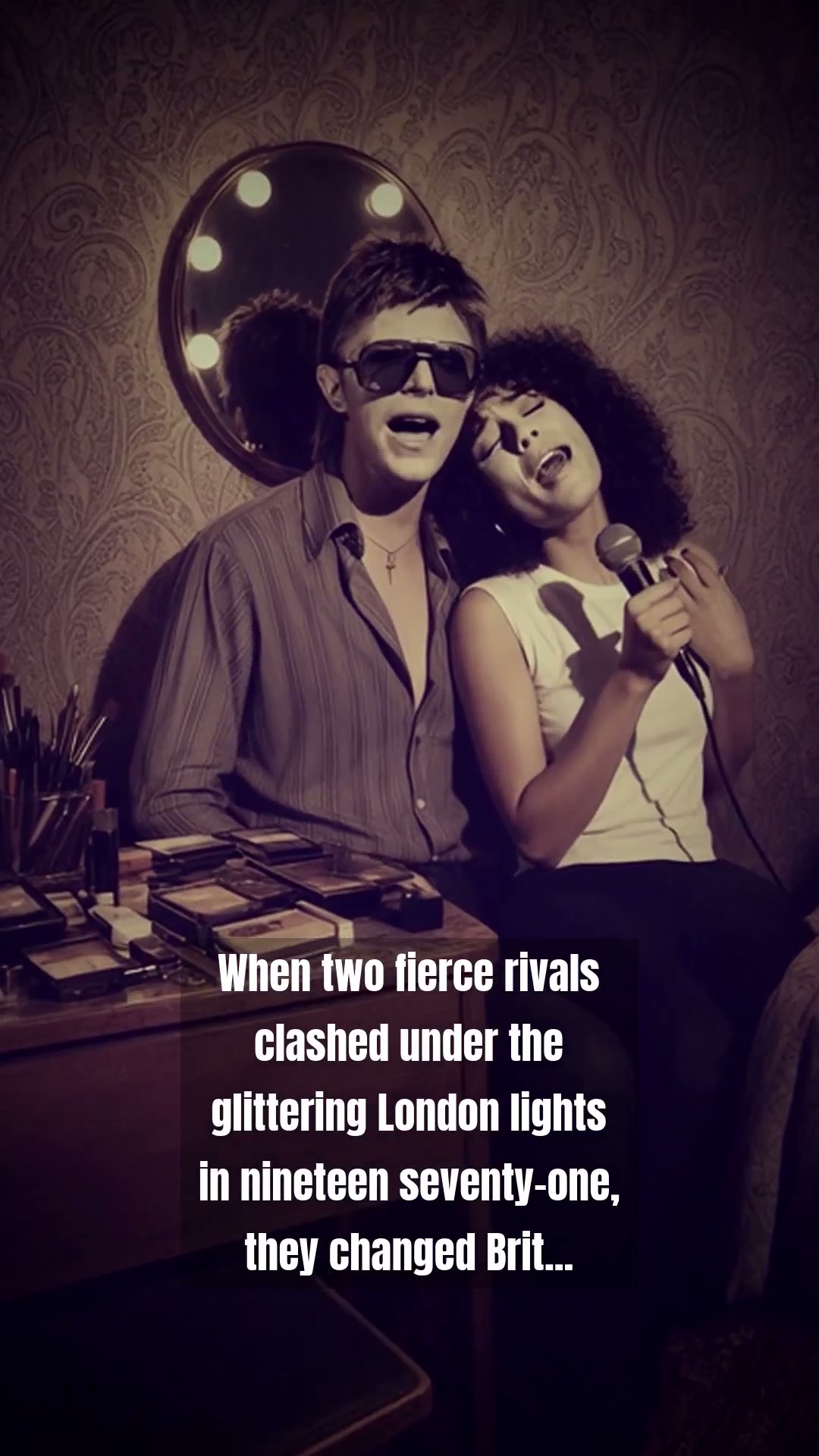
Picture the scene: it is 1971, the telly is buzzing with the flickering hum of Top of the Pops, and the nation is about to witness something that would define the decade. The air in London was thick with glitter, mascara, and a sense of impending sonic revolution. At the heart of this storm were two giants of the glam rock movement, Marc Bolan and David Bowie. They were the architects of a new, shimmering reality, but behind the stage makeup and the soaring melodies, a fierce, subterranean rivalry was boiling over. To the casual observer, they were friends, but in the cutthroat world of the music industry, they were two suns competing for the same orbit.
Marc Bolan, the pint-sized wizard of T. Rex, had already ignited the fuse with the release of Get It On. It was a track that strutted into the UK charts with the swagger of a man who owned the pavement he walked on. As the frontman of the glitter explosion, Bolan held the crown, but David Bowie was hovering in the wings, waiting for the perfect moment to snatch the spotlight. When the two finally shared the stage, the tension was palpable enough to cut with a knife. It was not just about the music; it was a battle of aesthetic, intellect, and sheer, unfiltered ambition that captivated the British public.
We often look back at these years with a sense of rose-tinted nostalgia, remembering the sequins and the feathers, but we sometimes fail to realise just how radical it felt at the time. Before these titans took to the stage, pop music was a polite affair. Bolan and Bowie tore up the rulebook. Watching them side-by-side on the BBC, one could sense the shifting tectonic plates of British culture. Bolan was the earthy, mystical sprite, whilst Bowie was the ethereal space invader, and their clash provided the sparks that lit up the grey, post-war gloom of the seventies.
It is fascinating to wonder what went through their minds during those electric moments on air. Was it professional jealousy, or a secret mutual respect? Perhaps a bit of both. They were both pioneers, pushing the boundaries of what a rock star could be. Their rivalry forced them to constantly reinvent themselves, leading to a golden age of creativity that we are still trying to recapture today. The way they utilised the medium of television to project their otherworldly personas remains a masterclass in branding that modern artists struggle to match.
Even now, decades after the glitter has settled, the story of Marc Bolan and David Bowie continues to resonate with anyone who loves a bit of rock and roll drama. They proved that fame is a fragile, fleeting thing, yet their influence on our culture is permanent. As we reflect on those nights spent huddled around the family wireless or watching the telly, we realise that we were witness to a unique chapter in history. Their feud wasn’t just a spat; it was the birth of the modern pop icon, a legacy that continues to shimmer in the collective memory of the British music scene.