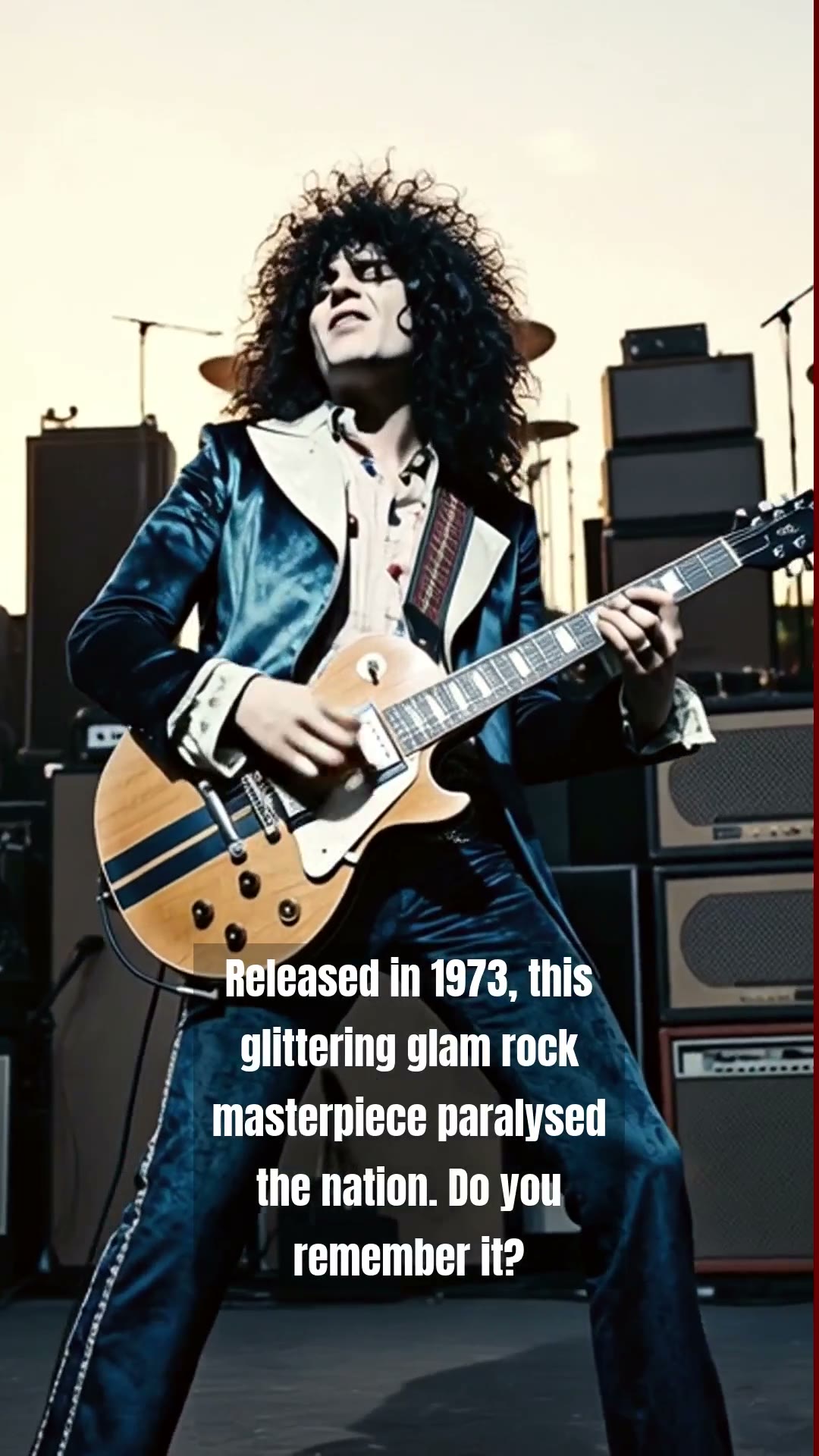
It was 1973, and for a teenager huddled around the family telly on a Thursday evening, life was about to shift on its axis. As the familiar jingle of Top of the Pops crackled through the speakers, the nation collectively held its breath. Then, he appeared. Draped in satin and shimmering with stardust, Marc Bolan stepped into the limelight, his guitar riffs snarling with a distorted brilliance that felt like a lightning strike to the senses. It was a moment of pure, unadulterated spectacle that paralysed the country and cemented Marc Bolan as the undisputed high priest of the glam rock era.
To understand the magnitude of that performance, one must remember the grey, post-war landscape of Britain that preceded it. We were a nation still shaking off the austerity of the past, crying out for a splash of colour. Marc Bolan, with his elfin features and penchant for flamboyant peacockery, offered an escape route. He didn’t just sing; he curated a fantasy. Watching him, you felt that the mundane reality of your local high street was merely a waiting room for the cosmic journey he was leading us on. It was theatrical, it was loud, and for a generation of kids, it was an absolute revelation.
Behind the glitter and the chart-topping success, Marc Bolan was a restless visionary. He had spent years grafting in the underground folk scene, but when he leaned into the electric alchemy of T. Rex, he realised he had tapped into a primal energy that resonated with every restless soul from London to Leeds. The music was stripped back, repetitive, and undeniably infectious. It was boogie-woogie with a jagged edge, perfectly timed for the hedonistic spirit of the early seventies. Whether it was the raw, distorted guitar lines or the whisper-soft, breathy vocals, there was an intimacy to his music that made you feel he was performing just for you.
Yet, the brilliance of that 1973 peak was also tinged with the familiar tragedy that haunts many British rock legends. The industry was a brutal machine, and the pressure to maintain that glittering facade was immense. We watched as he navigated the shifting tides of the music press and the fickle nature of fame. Throughout it all, however, he remained an enigmatic figure, never quite fitting into the boxes that critics tried to cram him into. He was simply Marc Bolan, a star who burned with such intensity that he left a permanent scar on the fabric of British pop culture.
Decades later, when we hear those iconic riffs today, it is not just the music that hits us; it is the nostalgia for a time when the world felt both smaller and infinitely more magical. Marc Bolan didn’t just write hits; he defined a feeling. He taught us that it was alright to be a bit flamboyant, a bit strange, and entirely yourself. So, dust off your old records and turn the volume up to ten—it is high time we relived the magic of the glam revolution.