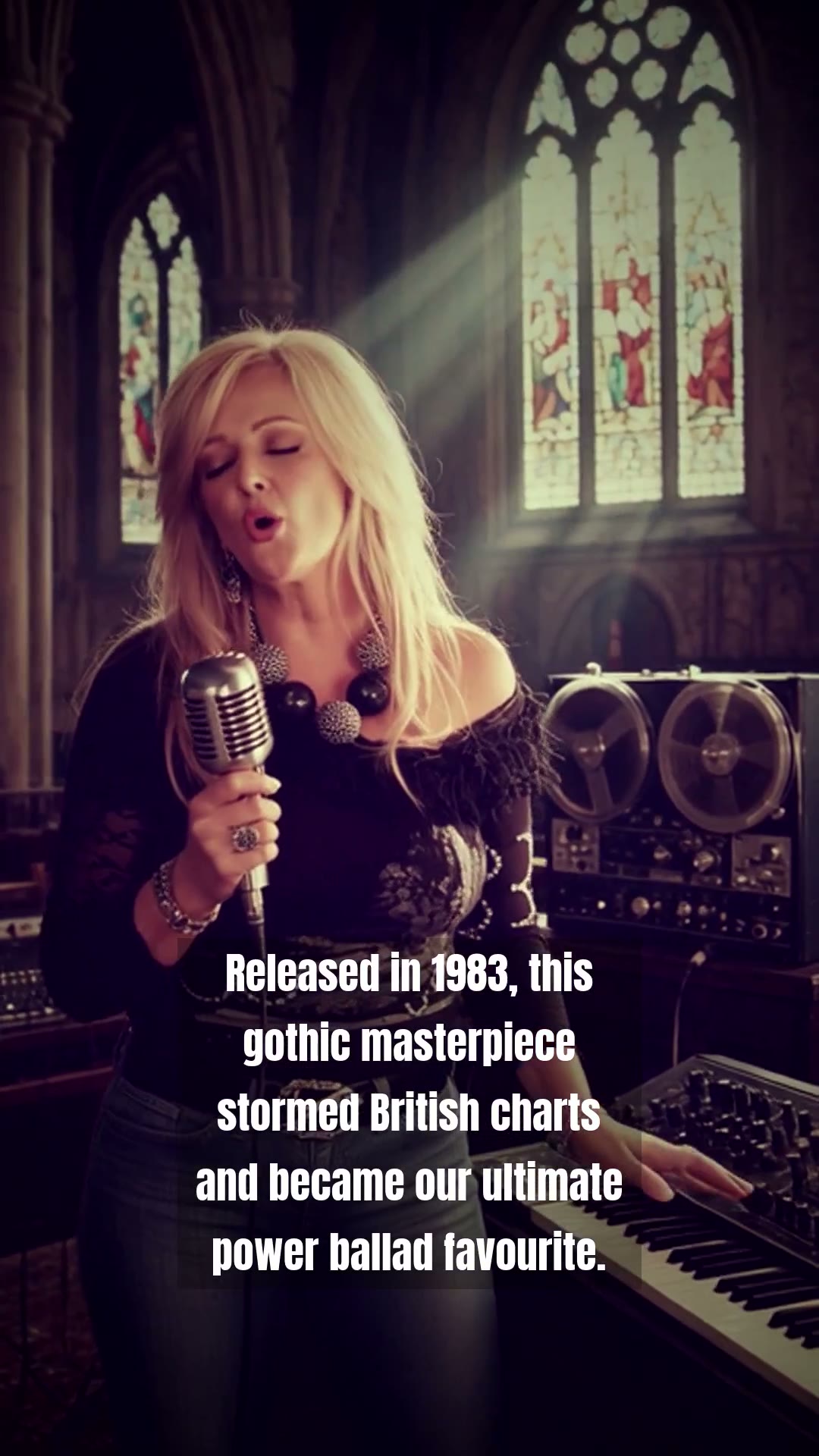
It was 1983, and the British airwaves were undergoing a peculiar transformation. Whilst the charts were dominated by the polished synthesisers of the New Romantics, a storm was brewing in the form of a vocal performance so raw, so operatic, that it stopped the nation in its tracks. Bonnie Tyler, a gravel-voiced powerhouse from Wales, delivered a track that defied every radio rule of the era. Total Eclipse of the Heart was not just a song; it was a gothic melodrama that felt like it had been pulled from the pages of a Bronte novel and set to a driving, theatrical beat. Even now, hearing those opening piano chords on a rainy Sunday afternoon brings back the distinct hum of the telly and the feeling that something monumental was occurring in the music scene.
Bonnie Tyler had already tasted success, but this collaboration with Jim Steinman was a different beast entirely. Steinman, known for his work with Meat Loaf, brought a sense of grandiosity that was rarely seen in the pop charts of the time. When Bonnie Tyler stepped into the studio, she realised she was crafting something that leaned into the shadows. The song was long, epic, and unapologetically dramatic, challenging the brevity expected by producers at the BBC. Yet, the British public took it to their hearts immediately. It was the ultimate power ballad, a testament to heartbreak that resonated with everyone who had ever felt the sting of a lost love or the yearning for something more.
Watching the music video back now, one cannot help but be struck by the sheer surrealism of it all. Set in an old asylum, complete with choirboys and flickering lights, it perfectly captured the spirit of the early eighties. It was a time when artists were encouraged to push the boundaries of visual storytelling, and Bonnie Tyler was the perfect protagonist for this eerie tale. It felt dangerous, a bit wicked, and entirely captivating. It was a far cry from the light-hearted pop of the era, offering a slice of darkness that felt strangely comforting.
What makes the legacy of Bonnie Tyler so enduring is that signature voice. There was no auto-tune, no hiding behind digital trickery. That husky, raspy timbre was built on years of hard work in local clubs and pubs before she ever hit the big time. She brought a sense of authenticity that is so often missing today. When she sang about the eclipse of the heart, you believed every word. It was a performance that demanded your full attention, forcing you to stop whatever you were doing and listen to the pain behind the grit.
Decades on, the song remains a staple at weddings, karaoke nights, and lonely drives across the British countryside. It reminds us of a time when pop music felt like an event, something worth discussing over a cuppa or a pint down at the local. Bonnie Tyler captured a lightning strike in a bottle, creating a piece of British musical heritage that refuses to fade away. It is a haunting, beautiful relic of our collective past. The next time those familiar notes strike, do not just listen—close your eyes, turn up the volume, and let the nostalgia wash over you once more.