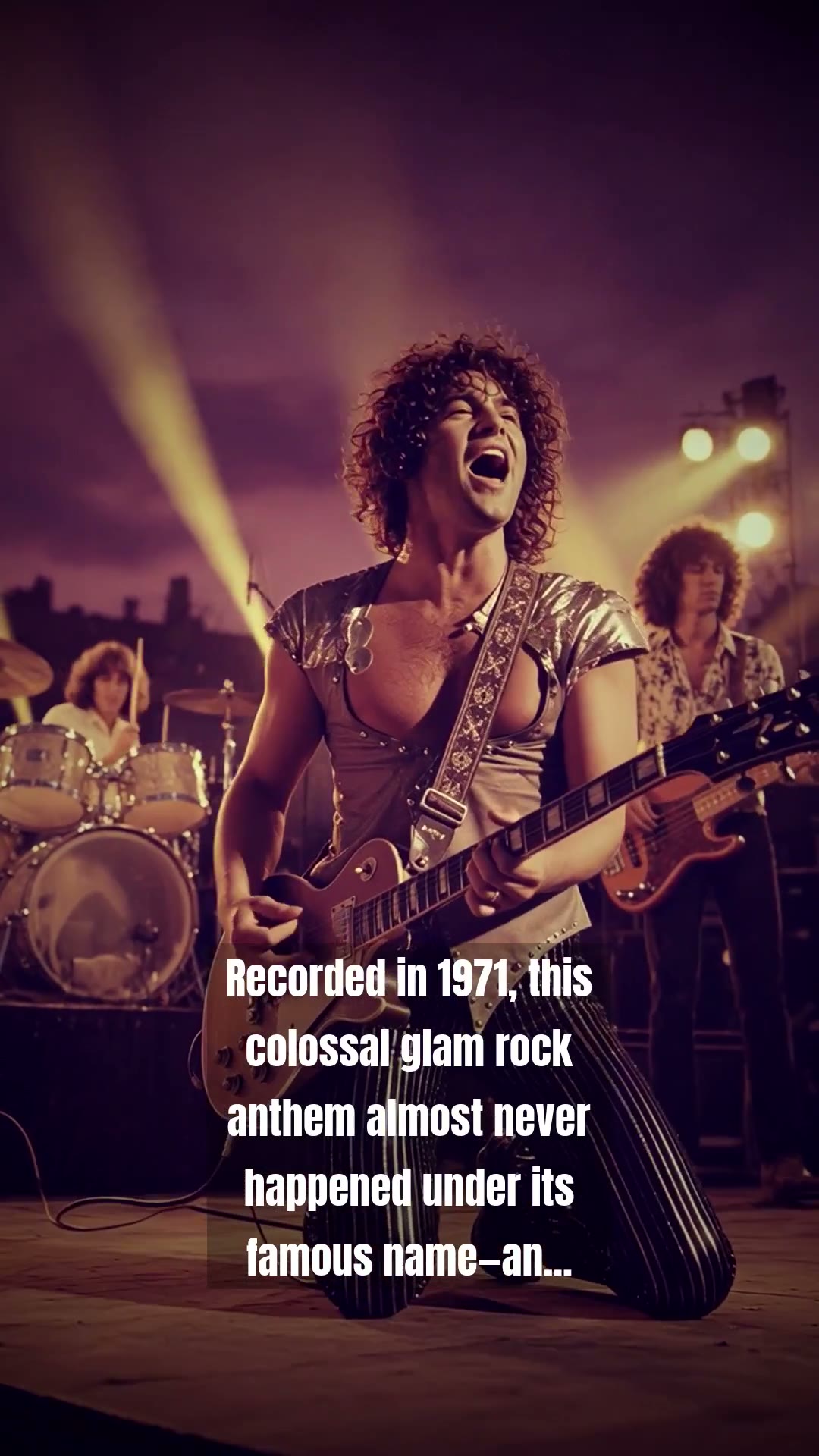
Picture the scene: London, 1971. The air in Trident Studios was thick with the scent of cheap cigarettes and the palpable electric buzz of a revolution in the making. Marc Bolan, the elfin king of glam rock, stood at the epicentre of a cultural shift that would soon see glitter-dusted teenagers packing the aisles of the local record shops. He was there to record what would become an absolute titan of British music, a track that defined an era of flamboyant style and sonic swagger. Yet, behind the shimmering veneer of this anthem, there lies a story of modesty that seems almost impossible to believe in today’s world of bloated production budgets.
At the time, Bolan was obsessed with crafting a sound that was at once primal and polished. He wanted a piano glissando—that rapid, sweeping flourish—that would catapult the song into the stratosphere. He didn’t call in a massive orchestra; instead, he brought in a hungry, young session musician who would later go on to achieve his own prog-rock superstardom. For that fleeting moment of brilliance on the keys, the musician was paid exactly nine quid. Nine pounds to help create a song that would eventually be etched into the collective memory of the British public for decades to come.
It is truly marvellous to consider how such a monumental piece of art came from such humble beginnings. This was the golden age of Top of the Pops, a time when a spot on the programme could make or break a career overnight. Marc Bolan understood the power of the visual as much as the auditory. With his feather boas, stars painted on his cheeks, and that signature guitar stance, he realised that rock and roll was no longer just about the notes—it was about the theatre. He brought a sense of playful danger to the charts, challenging the grim, denim-clad seriousness of the late sixties.
Why does this song still resonate so deeply today? Perhaps it is because it captures that specific shade of British optimism that defined the early seventies. There was a colour to it, a vibrant, neon-soaked brilliance that felt like a splash of paint on a grey London pavement. When you listen to the track now, you can almost feel the sticky floors of a packed gig venue and hear the roar of the crowd waiting for that inevitable chorus. It wasn’t just music; it was a cultural awakening that made every misfit in the country feel like they belonged to a secret, glittery club.
Looking back, the story of this nine-pound piano part is a reminder that magic doesn’t always require a king’s ransom. It requires vision, a bit of luck, and the right people in the room at the right time. Marc Bolan may have left us far too soon, but his influence remains as sharp and sparkling as ever. Next time you spin that record on your turntable, listen closely to those opening notes. They represent not just a song, but a lightning-in-a-bottle moment where a legend changed the face of British music forever.