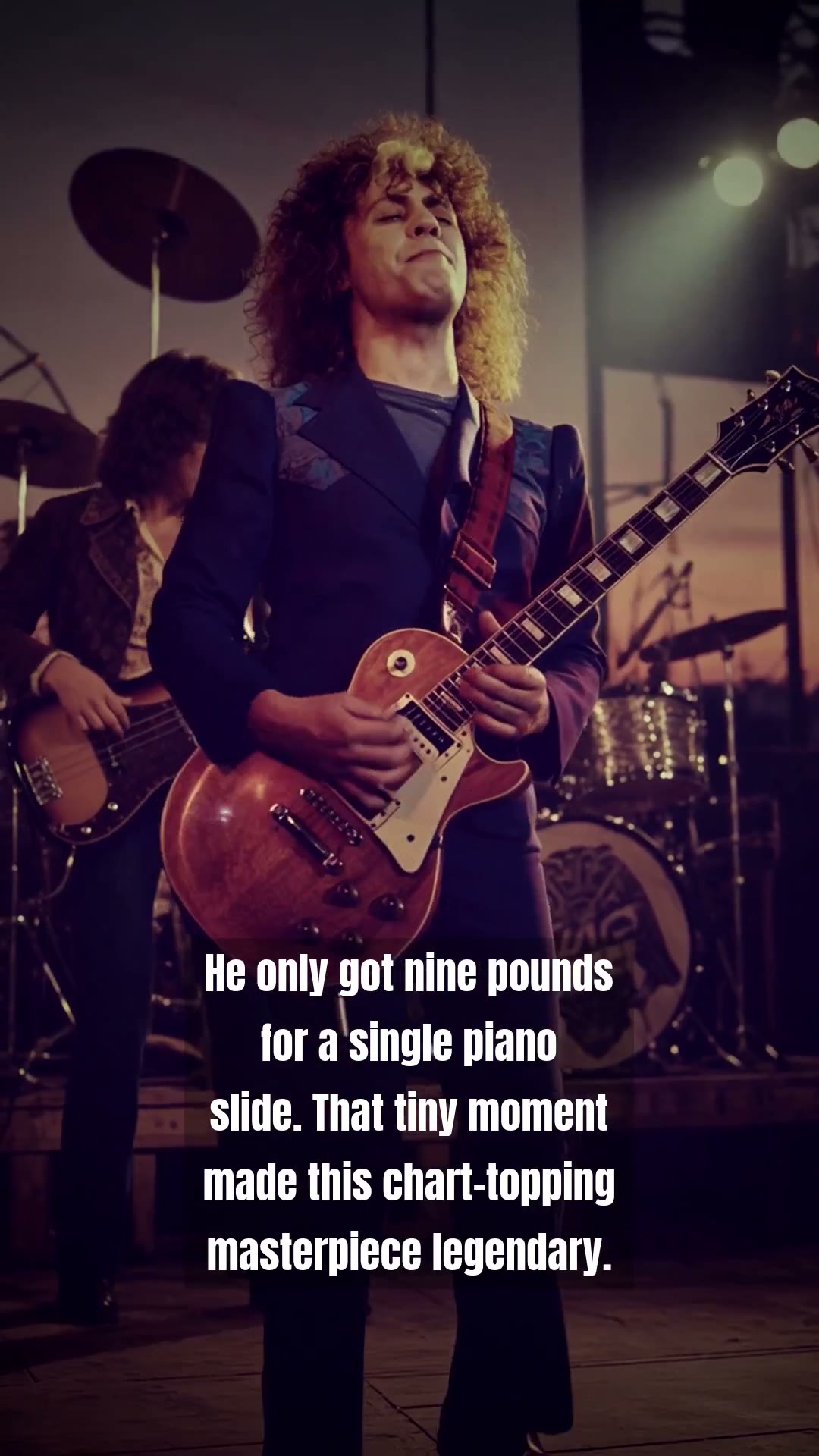
Picture the scene: London, 1971. The air in the city was thick with the scent of post-sixties uncertainty and the desperate, electric hum of rock and roll’s evolution. Within the cramped confines of a dimly lit studio, a young session musician named Rick Wakeman was simply trying to keep the lights on. He was a jobbing player, talented beyond measure but far from the household name he would soon become. A phone call offered him a session gig that promised a quick turnaround and a few quid to see him through the week. He arrived, sat at the keys, and prepared to offer his services for a flat fee of nine pounds.
The track in question was Cat Stevens’ Morning Has Broken. It is a song many of us remember vividly, a gentle, morning-drenched hymn that seems woven into the very fabric of British life. But as Rick Wakeman recalls, the original arrangement was remarkably sparse. There he sat, staring at the sheet music, thinking that the piece felt a little thin, perhaps even a bit bare. In a moment of pure, unadulterated musical intuition—a cheeky improvisation that would leave a permanent mark on the charts—he decided the song needed a little more colour. He added that sweeping, cascading piano slide that now defines the opening bars of the classic tune.
It is truly staggering to realise that one of the most recognisable piano moments in the history of British rock was born from a musician just trying to pad out his paycheque. Rick Wakeman was not looking to change the world that day; he was simply looking to do a professional job for a handful of change. Yet, that single, deliberate flourish elevated a simple folk song into a timeless masterpiece. The production team were initially unsure, perhaps even hesitant about the addition, but when the song hit the airwaves, it became an instant favourite on every wireless set across the nation. It resonated with the public in a way that few songs managed, climbing the charts and cementing its place in our collective memory.
Looking back, this anecdote perfectly captures the magic of the early seventies British music scene. It was a time when brilliance often happened by accident in the backrooms of dingy studios, long before the age of digital polish and manufactured stardom. Rick Wakeman would go on to reach global superstardom with Yes, becoming a prog-rock titan known for his capes and banks of synthesisers, but he never quite forgot that morning. It serves as a reminder that history isn’t always made by grand gestures or meticulously planned campaigns; sometimes, it is forged in a moment of creative impulse, offered by a young man just trying to earn his keep.
Even today, whenever that familiar piano slide hits the radio, it brings back a flood of memories—a cup of tea on a Sunday morning, the crackle of a vintage valve radio, or perhaps a journey through the rolling countryside. It is the sound of an era that felt both expansive and intimate all at once. Whether you were there at the time or you discovered it years later, it is hard not to appreciate the simplicity of that moment. Next time you hear the song, spare a thought for the session player who took his nine pounds, played a few extra notes, and accidentally wrote himself into the history books.