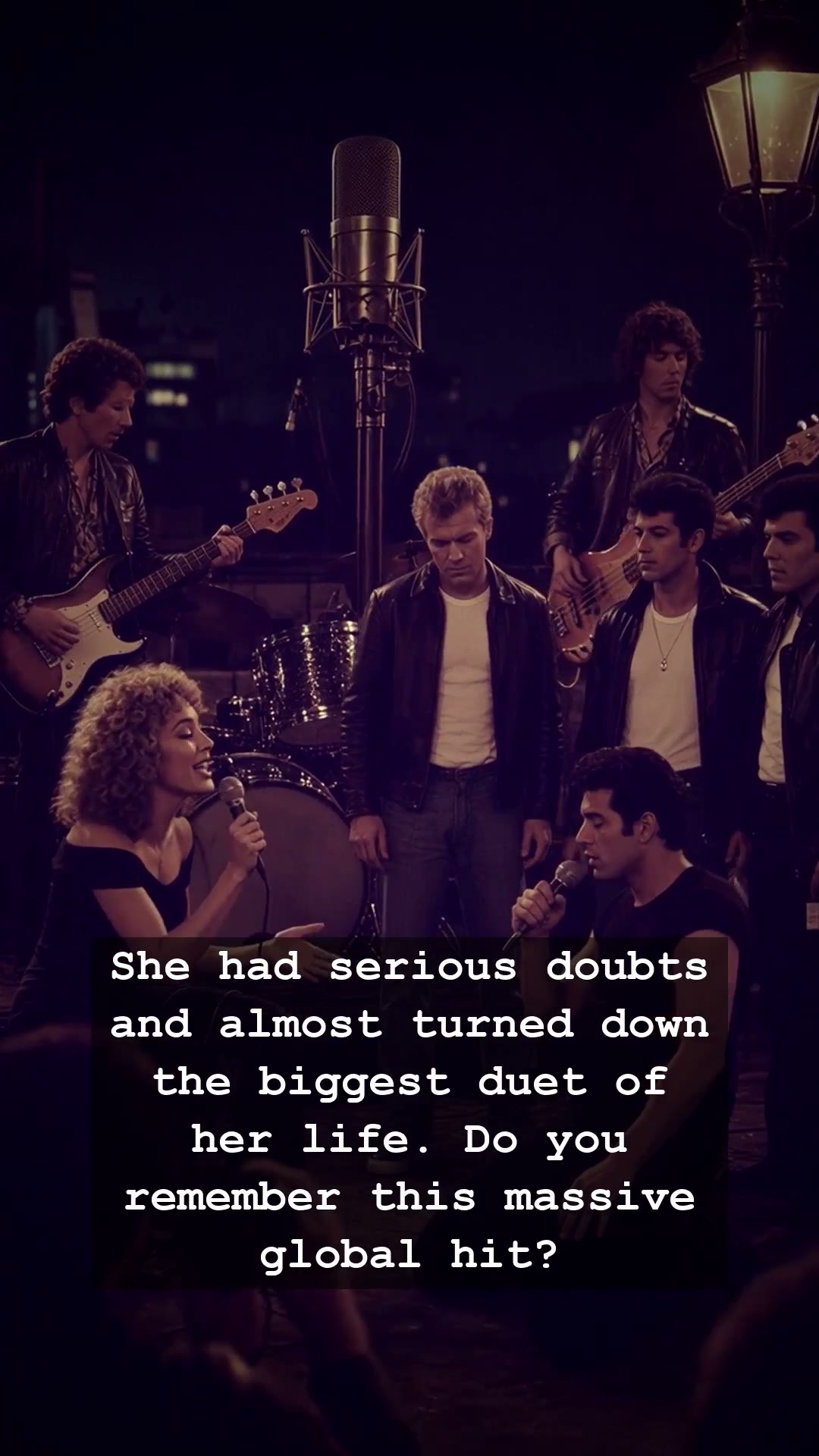
Picture the scene: it is 1978, the telly is glowing with the technicolour brilliance of the cinema, and a pair of leather trousers is about to change the history of pop music forever. You remember it, don’t you? The moment Danny and Sandy finally realised they were meant to be. But if history had taken a slightly different turn, the most iconic duet of our lives might never have graced the airwaves. Olivia Newton-John, that golden voice of our collective memory, was terrified. She was not just nervous; she was ready to walk away from the biggest role of her career entirely.
At the time, Olivia Newton-John was primarily known for her country-tinged ballads, a world away from the gritty, rock-and-roll swagger of Rydell High. When she was offered the part of Sandy, she was genuinely worried she was too old to play a high schooler and feared the film would be a complete flop. She had serious doubts about her chemistry with John Travolta, the young firecracker who had just exploded onto the scene with Saturday Night Fever. Can you imagine the film without her? It feels almost impossible to conceive of a version where that infectious rhythm does not capture our hearts.
She actually requested a screen test with John Travolta, a move that was practically unheard of for an established star, just to see if they could spark any magic. She needed to know if they could pull off that shift from sweet innocence to the final, iconic transformation. Thankfully, the moment they stood together on set, the tension evaporated. John Travolta was her biggest champion, nudging her into the role and ensuring she felt secure enough to let her hair down. It was a partnership that defined the late seventies, a decade of disco, transformation, and that unmistakable sense of British summer nostalgia, even if it was set across the pond.
When You’re the One That I Want finally hit the charts, it did not just climb the rankings; it took over our lives. It was played at every school disco, every birthday party, and every late-night session by the radio. For many of us, hearing that song today is like stepping into a time machine. It carries the colour and the excitement of a generation that was finally feeling liberated. Olivia Newton-John brought a vulnerability to the role that made Sandy feel real, turning a simple musical number into a cultural touchstone that still resonates in every jukebox across the country.
Looking back, we realise that some of our favourite pieces of art are born from sheer panic and uncertainty. Olivia Newton-John’s reluctance turned out to be the very thing that grounded the film’s high-energy madness. It is a reminder that even our biggest icons have moments of profound doubt. Next time you hear those opening chords, take a moment to appreciate the woman who nearly let it slip through her fingers. It remains a masterclass in screen chemistry, a testament to a long-lost era, and a tune that simply never grows old.