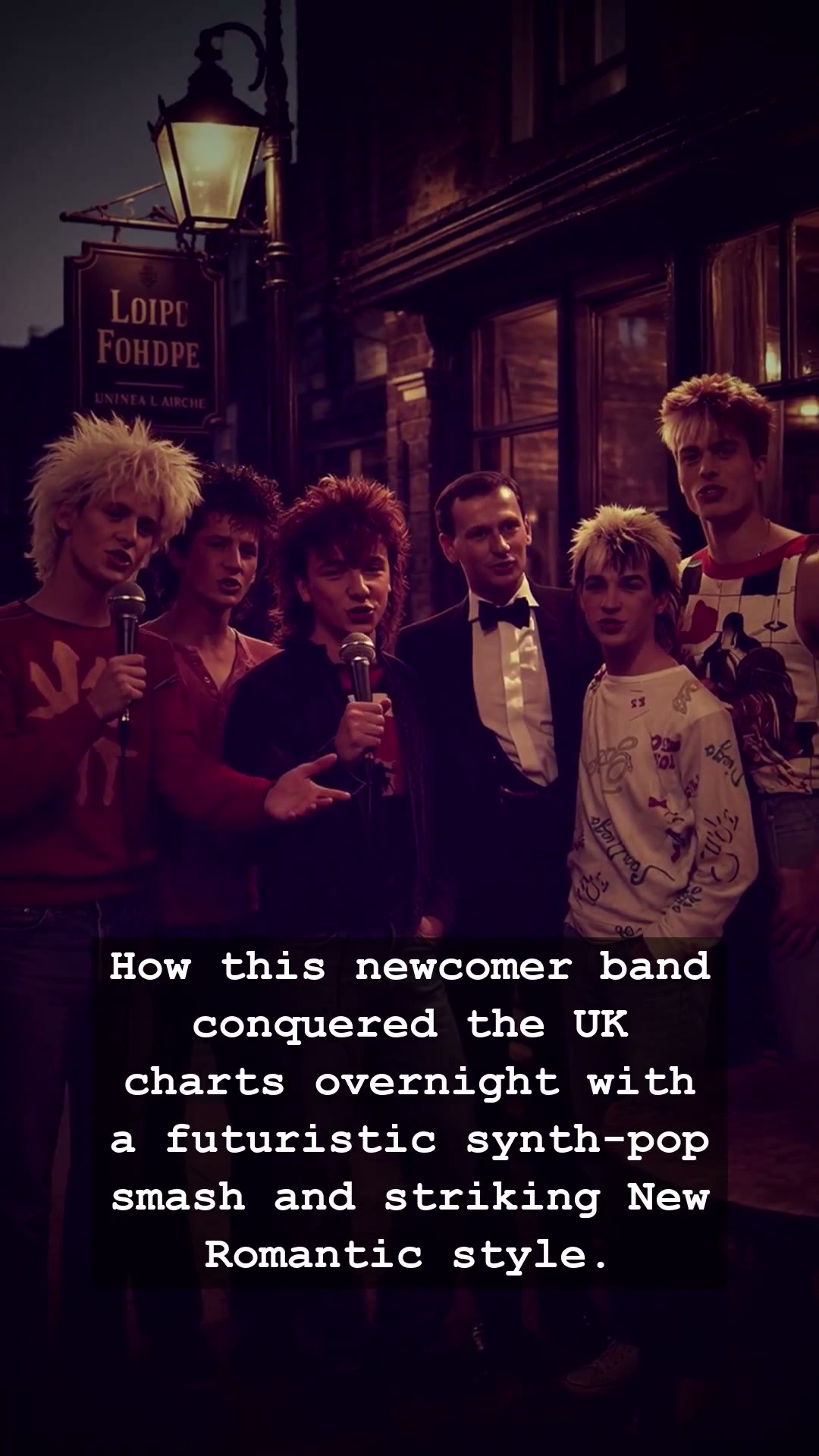
Picture the scene in early nineteen eighty-three. The nation gathered around the living room telly on a Thursday evening, eagerly tuning into Top of the Pops to catch the latest sounds dominating the UK charts. Suddenly, the screen exploded with a riot of neon colour, gravity-defying blonde-and-ginger spiky hair, and an undeniable futuristic synth-pop rhythm that made it impossible to stay still. This was the moment Kajagoogoo burst into our lives, storming straight to number one with their debut smash, Too Shy. For a brief, brilliant moment, this newcomer band felt like the future incarnate.
Formed from the ashes of an art-rock outfit called Art Nouveau, the five-piece lineup featured the charismatic frontman Limahl alongside Nick Beggs, Steve Askew, Stuart Croxford Neale, and Jez Strode. Their manager, Nick Rhodes of Duran Duran, helped polish their sound, but it was Limahl’s soaring vocals and the band’s striking New Romantic aesthetic that truly captured the nation’s heart. They were everywhere—on the cover of every teen magazine, blasting from transistor radios, and soundtracking Saturday nights up and down the country.
Yet, the very glamour that brought Kajagoogoo overnight fame also sowed the seeds of a rapid and dramatic fallout. The intense pressure of the music industry, coupled with disagreements over creative direction and management, meant that the fairytale could not last. In a move that shocked fans, Limahl was famously sacked from the band via a curt phone call just months after their meteoric rise. It was a brutal reminder of the fickle nature of pop stardom during an era when musical trends shifted as quickly as the British weather.
Despite their brief time in the spotlight, Kajagoogoo left an indelible mark on the landscape of British pop culture. Too Shy remains an absolute anthem of the decade, instantly transporting anyone who hears those opening synth chords right back to a time of hairspray, studded leather jackets, and innocent weekend discos. It defined an era when pop music was theatrical, daring, and unapologetically flamboyant.
Looking back, the story of Kajagoogoo embodies the bittersweet magic of nineteen-eighties synth-pop—a dazzling explosion of style and sound that burned brightly before fading into the nostalgic mists of time. As we pull on our favourite retro jumpers and reminisce about the golden age of BBC Radio 1 airplay, the legacy of Kajagoogoo reminds us why we fell so deeply in love with music in the first place. Put the record on, turn up the volume, and let the memories flood right back.