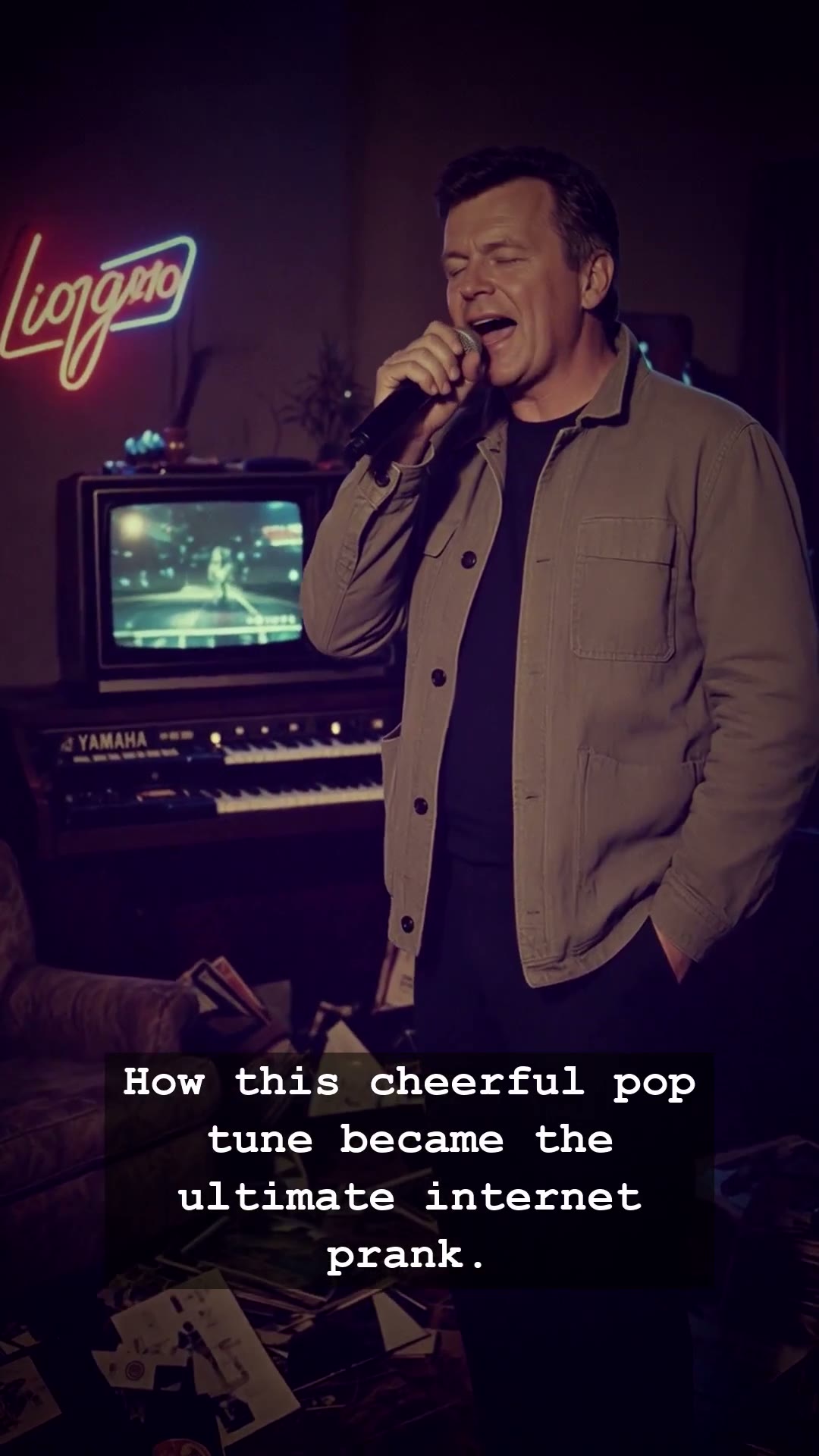
Picture the scene back in nineteen eighty-seven. You flick on the telly, grab a cuppa, and suddenly a tall, fresh-faced lad with a surprisingly deep, soulful voice bursts onto the screen. That was Rick Astley, a young chap from Lancashire whose cheerful dance-pop tune took the charts by storm. Never Gonna Give You Up was everywhere—radios blared it, record shops couldn’t keep it on the shelves, and millions of teenagers plastered his poster on their bedroom walls. It was the quintessential upbeat pop sensation of the decade, full of vibrant colour and infectious energy that felt impossible to resist.
Fast forward two decades later, and this beloved eighties favourite underwent the most bizarre metamorphosis in internet history. Instead of fading gracefully into nostalgia, Rick Astley’s signature track became the ultimate bait-and-switch weapon known as rickrolling. Millions of unsuspecting web users across the globe clicked on what they thought was a juicy movie trailer or breaking news scoop, only to find themselves ambushed by that cheerful chorus and those iconic dance moves. It was cheeky, it was brilliant, and it caught everyone completely off guard.
What started as a quirky prank on a message board rapidly snowballed into a global phenomenon. Even massive corporations and politicians weren’t safe from the joke. During Thanksgiving in two thousand and eight, the Macy’s Thanksgiving Day Parade even ambushed the live broadcast when Rick Astley himself emerged from a float to perform. The sheer audacity of the prank proved that great pop music possesses an immortal quality, capable of bridging the gap between the golden age of Top of the Pops and the wild frontier of early Web two point zero.
Behind the meme, however, lies the genuine talent of a remarkably grounded performer. Rick Astley never took himself too seriously, which is precisely why the internet fell back in love with him. While many pop stars from the eighties vanished or crumbled under the pressure of fame, he handled the viral resurgence with absolute good humour, even stepping out to surprise fans in New York when the prank reached fever pitch. He proved that you can laugh at yourself and still command absolute respect as a powerhouse vocalist.
Today, looking back at those neon-drenched decades, it is fascinating to realise how culture recycles itself. A track written in a modest British recording studio somehow evolved into the world’s favourite digital inside joke. Whether you remember dancing to it at a local youth club disco or fell victim to the hyperlink trap on YouTube, that unmistakable beat remains etched into our collective consciousness. Drop me a line in the comments and share your favourite memory of getting rickrolled back in the day.