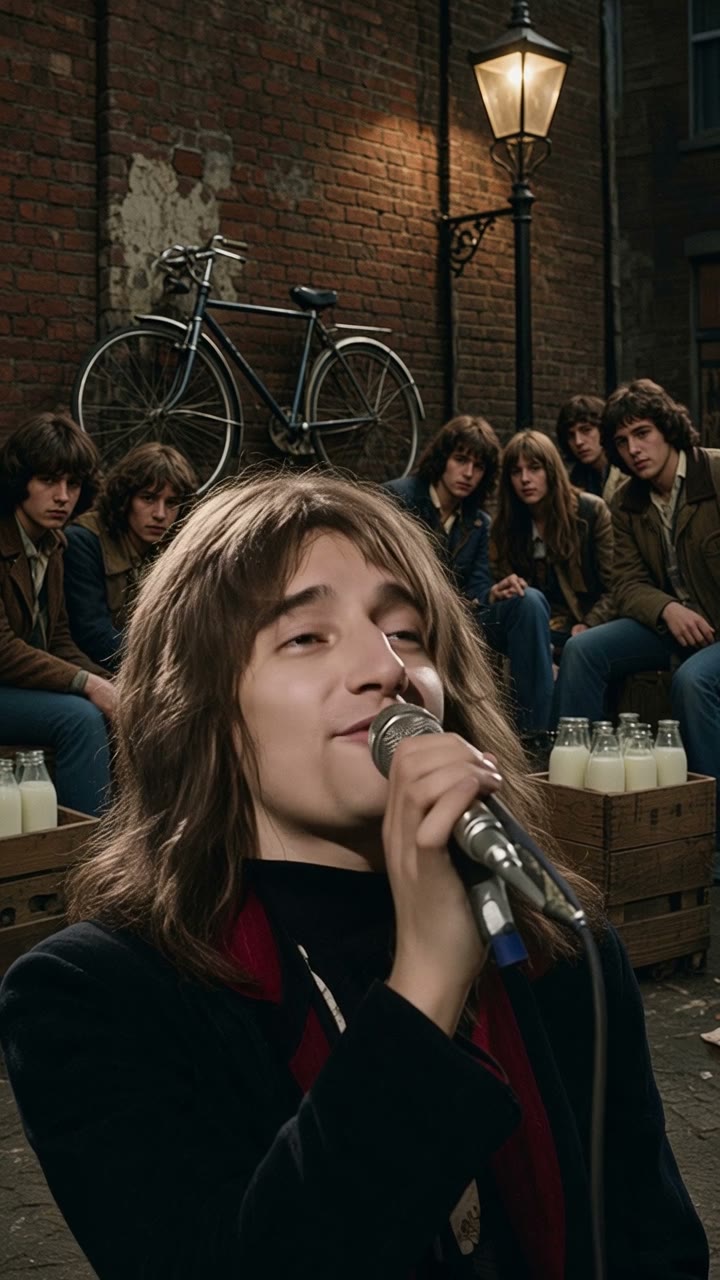
Picture the scene: it is 1971, the telly is buzzing with the latest hits, and the airwaves are dominated by the shifting sands of British rock. Among the rising stars, a gravel-voiced rogue from Highgate was busy crafting what would become one of the most iconic songs in the history of the UK charts. We are talking about Rod Stewart and the monumental Maggie May. Yet, if the suits at the record label had their way, this track would have been relegated to the bargain bin of musical history, forever hidden away on the B-side of a forgotten 45, never to see the light of day on the radio.
It is difficult to realise now, given its status as a timeless anthem, but the executives initially found the track lacking. They were convinced that the B-side, a cover of Tim Hardin’s Reason to Believe, was the A-side gold they were after. They saw Maggie May as nothing more than a rough-around-the-edges filler, a bit too long and perhaps a tad too raw for the polished tastes of the era. They nearly buried it for good, treating it as an afterthought, a piece of studio clutter that had somehow made the final cut of the Every Picture Tells a Story album.
But fate had a different plan. The magic happened when a savvy DJ, spinning records in the small hours of the morning, decided to give the track a proper listen. He flipped the single over, perhaps out of pure curiosity or a hunch, and felt the unmistakable pull of that mandolin riff and Rod’s hauntingly authentic vocal delivery. Once that needle hit the groove, the tide turned. The listeners were hooked. The phones at the radio station started ringing off the hook, and the demand for this ‘forgotten’ song became impossible for the label to ignore. It was a classic case of the music industry failing to recognise their own favourite son’s greatest asset.
That late-night spin changed everything for Rod Stewart, catapulting him to the top of the UK charts and securing his place as a national treasure. It is a brilliant reminder of a time when the power of the broadcast was absolute, when one dedicated presenter could turn a misunderstood B-side into the soundtrack of a generation. The success of the song wasn’t just about the chart numbers; it was about the raw, unfiltered honesty that defined that decade in British music.
Even today, whenever that familiar opening sequence kicks in, there is a distinct sense of nostalgia that washes over any proper fan of 70s rock. It captures the colour and the grit of the era perfectly. It serves as a poignant lesson that even in the high-stakes world of fame, the best art often survives despite the efforts of those meant to protect it. So, the next time you hear those iconic strings, remember: we were only a few seconds away from losing one of our favourite songs to the dustbin of history.