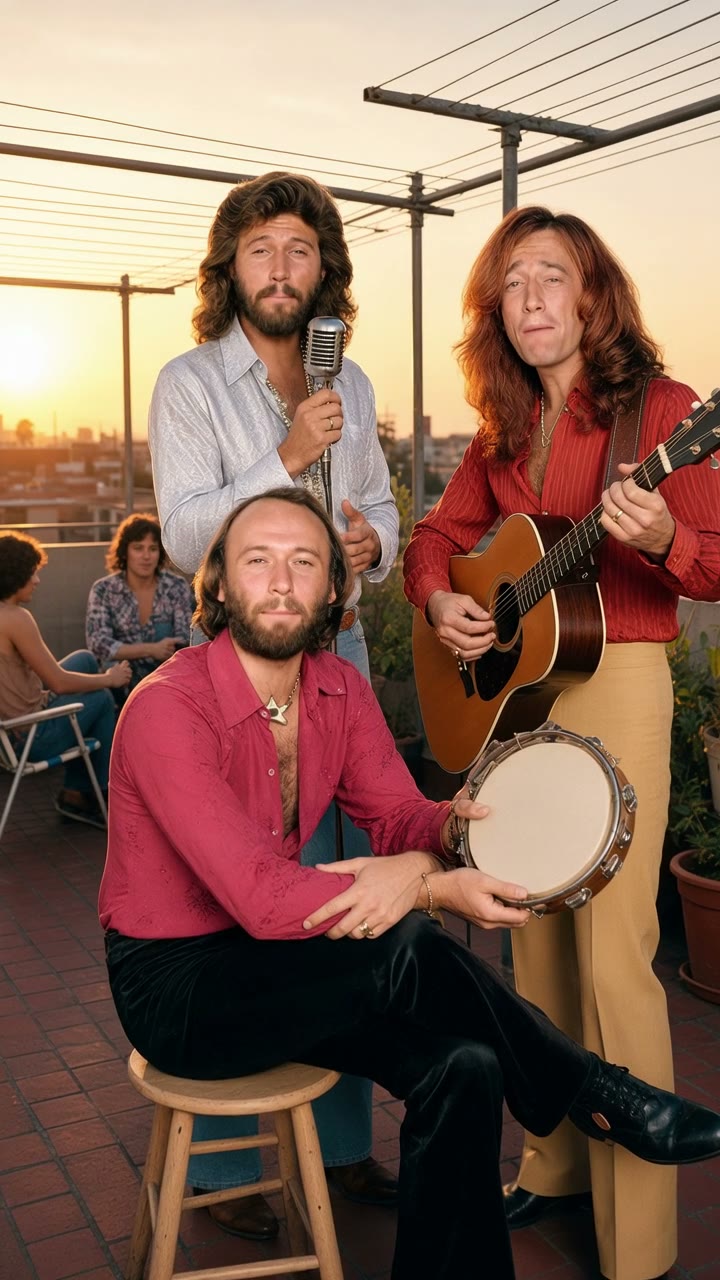
It was 1969, and the air in the recording studio was thick enough to cut with a knife. To the rest of the world, The Bee Gees were the golden boys of British pop, delivering polished harmonies that felt as inevitable as the tide. But behind the scenes, the polished facade was beginning to crack under the weight of ego and creative friction. The catalyst for this dramatic collapse? A seemingly innocuous dispute over an A-side single. When the dust settled on their fiery argument, Robin Gibb—the voice that defined so many of their early hits—walked out, leaving the future of the band in tatters.
For a nation glued to their telly watching Top of the Pops, the news of the split felt like a betrayal. The brothers, who had grown up performing together since their days in Manchester, suddenly seemed like total strangers. The press, always hungry for a bit of scandal, pounced on the story with typical ferocity. It was a proper dog’s dinner of rumours, with headlines painting a grim picture of permanent resentment. The public, who had grown to love the distinctive, warbling soul in Robin’s voice, wondered if they had heard the last of the trio that had captured the colour and spirit of the late sixties.
Looking back, it is easy to realise that this was a classic case of too much talent, too little space. The brothers were not just siblings; they were intense rivals who shared a competitive drive that had propelled them to the top of the charts. Yet, that same intensity was a double-edged sword. Robin’s departure wasn’t just about a single song; it was a desperate bid for individual recognition in a landscape where they were often viewed as a singular, inseparable entity. It was an incredibly messy time for the family, with egos clashing as sharply as their songwriting styles.
What makes this chapter of their history so poignant is the eventual, tearful reunion. It serves as a reminder that the bonds of blood often run deeper than the allure of the charts. Their journey through the early seventies was marked by a gradual realisation that they were, in fact, better together. They had to navigate the choppy waters of changing musical tastes and the crushing weight of public scrutiny, yet they managed to find their way back to one another. It is this human fragility, hidden beneath the glittering disco lights of their later career, that makes the Bee Gees story so enduringly captivating.
Today, we look back at that 1969 fallout not as the end of an era, but as the moment the Bee Gees truly grew up. It adds a layer of depth to their greatest hits, reminding us that every perfect harmony often comes from a place of great conflict. Whether you caught them in their prime or discovered their back catalogue decades later, it is impossible not to feel the raw, authentic emotion that fuelled their rise. The next time you spin an old Bee Gees record, listen closely for the history embedded in those notes; it is a tale of brothers, betrayal, and the triumphant return of a legendary sound.