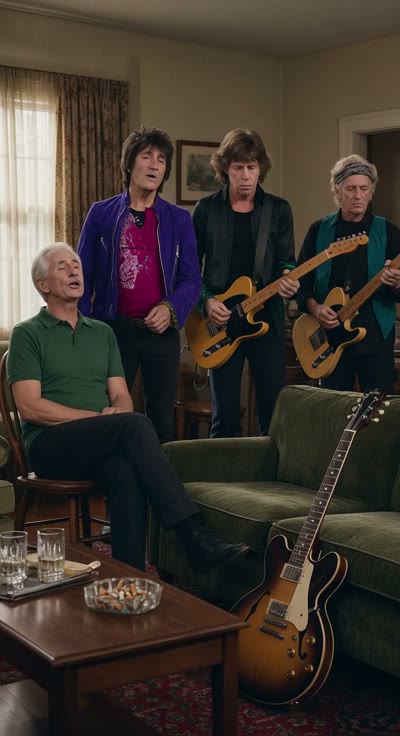
It was February 1967, and the Swinging Sixties were in full, technicolour swing. The Rolling Stones, already the bad boys of British rock, were invited to a quiet country estate in West Wittering for a weekend of escapism. It was supposed to be a low-key gathering at Redlands, the home of guitarist Keith Richards, far away from the blinding glare of the London limelight. But in the world of the Stones, peace was never an option. As the night unfolded, a sudden, brutal police raid shattered the serenity, turning a private party into a sensational headline that would pit the establishment against the biggest rock icons in Britain.
Following an anonymous tip-off, plain-clothes officers swarmed the house. They didn’t find a grand criminal enterprise, but they did find enough to fuel the conservative press’s moral panic. The sight of Mick Jagger and Keith Richards being hauled off in handcuffs felt like a deliberate attempt by the state to silence the rebellion of youth culture. For the older generation clutching their pearls, it was a long-overdue comeuppance for these long-haired agitators. For the youth of Britain, however, the Rolling Stones had just become martyrs for a cause they barely knew they were fighting for.
What followed was a legal circus that captivated the country. The trial became a symbol of the friction between the buttoned-up establishment and the new, vibrant, chaotic spirit of the decade. The Times even published an editorial famously titled ‘Who Breaks a Butterfly on a Wheel?’ which questioned the harshness of the sentences handed down. It was a watershed moment where the Rolling Stones shifted from mere pop stars into cultural icons who represented the fight for personal freedom against an archaic British legal system that couldn’t quite fathom the changing tides of the times.
Looking back, the Redlands raid feels like the exact moment the sixties truly grew up. It forced the public to realise that the war on drugs was, in essence, a war on a generation. The Rolling Stones, through the smoke and the drama, managed to survive the ordeal, only to emerge with their reputation as the ultimate counter-culture heroes solidified. They weren’t just playing tunes on the telly anymore; they were at the heart of the national conversation, holding a mirror up to a country struggling to reconcile its stiff upper lip with a desire for something wilder.
Decades later, the legend of that night remains a favourite tale for those of us who remember the era. It serves as a reminder of a time when a simple party could trigger a national scandal, and when rock and roll was genuinely considered dangerous. The Rolling Stones survived the raid, the court, and the public shaming, proving that the establishment could never quite contain the raw, untameable spirit of British rock. It is a story that still rings true today—a testament to the power of youth, the weight of fame, and the enduring, rebellious colour of the Stones.